
The Timeless Journey of Persian Cuisine at Iran Zamin
Archaeological findings in the region of ancient Persia reveal early irrigation systems, wheat cultivation, grape orchards, and livestock domestication dating back millennia. Food was central to life and honor. Early Persians understood seasons, soil, and spice. They cultivated fruits like pomegranates, sour cherries, apricots, and grapes that later spread across the world. Saffron, now known as the world’s most precious spice, first emerged from Persian soil and remains one of the pillars of Persian cooking.
Persia lay at the crossroads of civilizations. With each dynasty, culinary culture evolved. Influences came from the Silk Road, Indian spice markets, Mediterranean traders, and Central Asian nomads. Yet Persian cuisine remained distinct because at its core stood a philosophy: balance. In Persian culture, food must be harmonious. Warm ingredients balance cool ones. Sweet notes balance acidity. Herbs balance proteins. Every plate reflects this ancient wisdom.
The traditions of Persian hospitality, slow-cooking, and spice-blending flourished across regions including Azerbaijan in Iran, the cradle of many historical dynasties and a land known for its fertile soil, refined cooking styles, and rich culinary heritage. From royal banquets in ancient capitals to rustic village feasts in Azerbaijan’s historic cities and countryside, food has always played an honored cultural role.Roots Traced Back to 5000 B.C.
Archaeological findings in the region of ancient Persia reveal early irrigation systems, wheat cultivation, grape orchards, and livestock domestication dating back millennia. Food was central to life and honor. Early Persians understood seasons, soil, and spice. They cultivated fruits like pomegranates, sour cherries, apricots, and grapes that later spread across the world. Saffron, now known as the world’s most precious spice, first emerged from Persian soil and remains one of the pillars of Persian cooking.
Persia lay at the crossroads of civilizations. With each dynasty, culinary culture evolved. Influences came from the Silk Road, Indian spice markets, Mediterranean traders, and Central Asian nomads. Yet Persian cuisine remained distinct because at its core stood a philosophy: balance. In Persian culture, food must be harmonious. Warm ingredients balance cool ones. Sweet notes balance acidity. Herbs balance proteins. Every plate reflects this ancient wisdom.
Royal Tables and Everyday Homes
In the courts of the Achaemenid and Sassanid empires, meals were lavish and ceremonial. Roasted meats, rice perfumed with saffron and rose water, breads baked in clay ovens, fresh herbs served in abundance, and fruit stews filled royal dining rooms. Hospitality was sacred. Guests were honored with the finest offerings. This spirit continues to define Persian dining today. Even a humble meal is prepared with pride, generosity, and care.
In everyday Persian homes, cooking has always been an act of love. Families slow-cook stews for hours. Fresh herbs are chopped daily. Spices are blended by hand. Conversations take place around shared plates and warm bread. Recipes are passed from mothers and grandmothers to new generations. The food that reaches the table is always more than ingredients. It is affection. It is memory.
The Signature Elements of Persian Cuisine
Persian food is known for elegance, depth, and fragrance. Some defining elements include:
- Saffron for color and aroma
• Turmeric for warmth and depth
• Pomegranate and barberries for tart brightness
• Rose water and cardamom for gentle sweetness
• Fresh herbs such as parsley, dill, cilantro, and mint
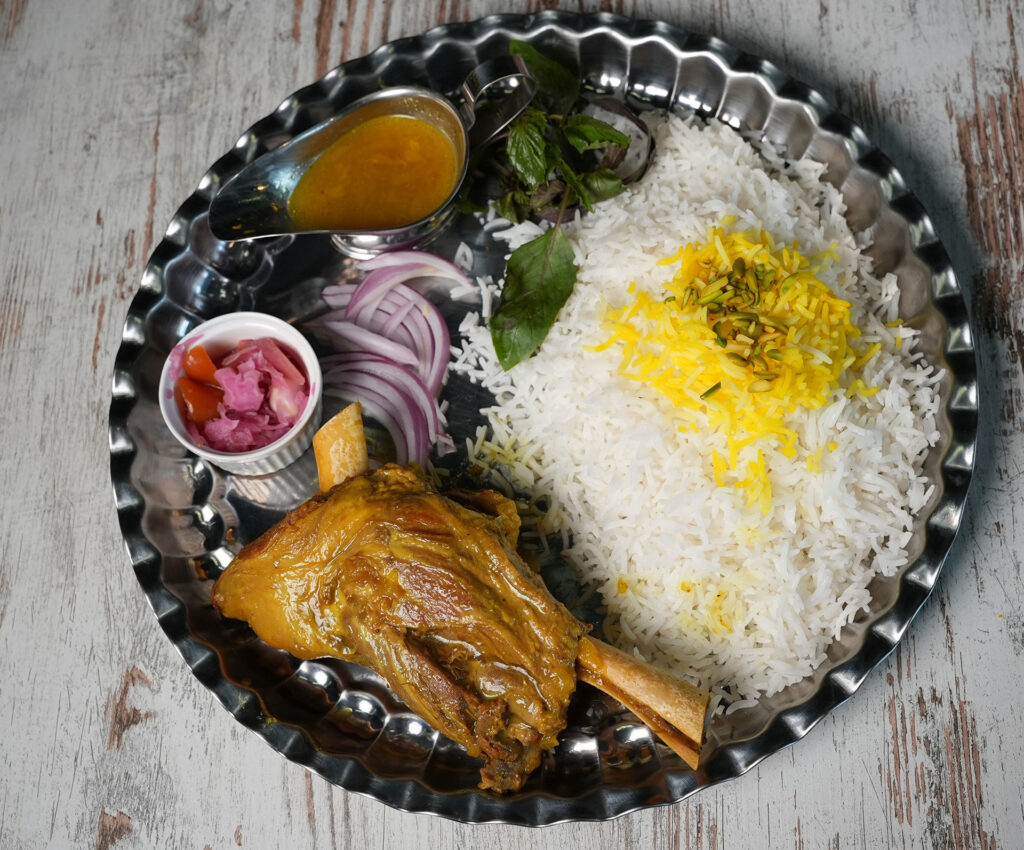
• Basmati rice steamed to perfection, often layered with saffron
The result is cuisine that is beautifully balanced, fragrant, and comforting. Persian meals rarely overpower the palate. Instead, they embrace subtlety and refinement.
Among iconic dishes are Ghormeh Sabzi, Gheymeh, Fesenjan, saffron chicken kebab, lamb shank, Persian bakery breads, and the legendary Koobideh kebab. These dishes have crossed oceans because their flavours speak a universal language.
Iran Zamin Restaurant
Honoring Tradition in the Heart of Ontario
When you dine at Iran Zamin Restaurant, you are not only eating a meal. You are tasting a living history. Every dish represents centuries of craftsmanship and cultural pride. The kitchen works like a traditional Persian home kitchen. Meat is marinated patiently. Rice is rinsed and steamed until it reaches a fluffy jewel-like texture. Stews simmer slowly to extract deep flavors. Vegetables and herbs are selected for freshness and quality. Saffron is used generously, not sparingly. Nothing rushed. Nothing artificial. Always authentic.
The menu reflects what Persians have cherished for generations. The Koobideh kebab, tender and aromatic, is a national treasure. Joojeh kebab infused with saffron and lemon captures the sunshine of Iran’s northern provinces. Ghormeh Sabzi brings together herbs, dried lime, and slow-cooked meat in a way no other cuisine has replicated. And Gheymeh with golden potatoes offers comfort that feels like home even if you have never visited Iran.
Iran Zamin also understands that dining is experience and emotion. Food arrives beautifully plated. Portions are generous, because Persian hospitality is generous by nature. The atmosphere is respectful, warm, and welcoming, reflecting the Persian philosophy that every guest is an honored guest.
Persian Cuisine in Canada
A Bridge Between Cultures
Iranian food has become one of Canada’s most celebrated global cuisines. Families discover saffron rice for the first time. Friends introduce each other to kebabs, torshi pickles, and fragrant stews. New generations of Persians growing up in Canada reconnect with their roots through dishes that taste like childhood.
Restaurants like Iran Zamin serve as bridges. They share a culture that treasures family, tradition, poetry, and generosity. They create a space where heritage and modern life meet, where newcomers feel welcome, and where those discovering Persian cuisine for the first time are guided through flavors with care.
A Taste of History Served with Heart
Five thousand years of culture cannot be contained in one dish, but it can be experienced in every bite you take at Iran Zamin Restaurant. Here, the past and present coexist. Here, ancient Persian flavors meet Canadian hospitality. Here, food is not fast, but thoughtful. Not ordinary, but meaningful. Iran Zamin invites everyone to sit, savor, laugh, share, and taste the timeless beauty of Persian cuisine.