
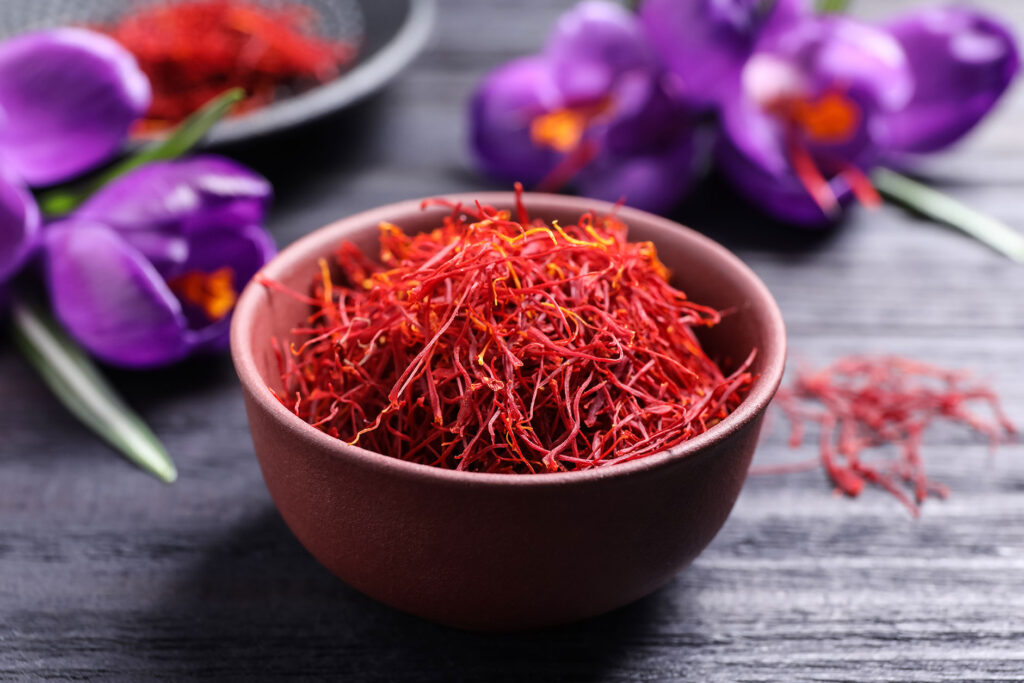
In Persian culture, food has always been more than nourishment. It is memory, emotion, and medicine for the soul. At the heart of this philosophy lies saffron, the most treasured spice in Persian cooking. Known as red gold, saffron has shaped not only the flavor and aroma of Persian dishes but also the emotional experience of eating them.
From ancient Persia to modern tables, saffron has been valued for its ability to uplift mood, calm the mind, and create a sense of warmth and connection. At Iran Zamin Restaurant, saffron is not used as decoration or trend. It is used with intention, tradition, and deep respect for its effect on both taste and human emotion.
Saffron in Persian History and Daily Life
Iran has been the world’s largest producer of saffron for centuries. Long before modern science studied neurotransmitters and mood regulation, Persian physicians and poets understood saffron’s emotional power. Traditional Persian medicine described saffron as a substance that “opens the heart,” relieves melancholy, and strengthens the spirit.
Saffron was prescribed for sadness, anxiety, and fatigue. It was added to celebratory dishes, wedding meals, and family feasts not only for its golden color but for the joy it symbolized. In Persian homes, saffron water is often prepared slowly, gently blooming the threads to release their aroma, a ritual that itself encourages patience and calm.
Modern Science and Saffron’s Effect on Mood
Contemporary research now confirms what Persian culture has known for generations. Saffron contains active compounds such as crocin, crocetin, and safranal, which influence serotonin levels in the brain. These compounds are linked to improved mood, reduced stress, and relief from mild depression and anxiety.
Studies have shown that saffron can act as a natural mood enhancer, helping reduce emotional fatigue and promote a sense of well-being. Unlike artificial stimulants, saffron works gently, creating balance rather than spikes. This makes it especially powerful when consumed regularly in food rather than isolated supplements.
When saffron is woven into daily meals, as it is in Persian cuisine, its effect becomes subtle yet profound. It turns eating into an emotional reset.
Why Saffron Is Central to Persian Food
Persian food is built on balance. Sweet and sour. Warm and cooling. Rich and light. Saffron plays a critical role in achieving this harmony. Its aroma stimulates appetite, its color signals abundance, and its taste lingers softly without overwhelming other ingredients.
Saffron rice, for example, is not merely a side dish. It is a foundation. The fragrance alone can shift mood before the first bite. When paired with kebabs, stews, or slow-cooked dishes, saffron creates emotional continuity across the meal.
This is why Persian meals feel comforting even when they are unfamiliar. The body responds to saffron before the mind fully understands the flavors.
Saffron and Emotional Memory
One of saffron’s most powerful qualities is its ability to trigger memory. Smell is the strongest sense connected to emotional recall, and saffron’s aroma is unmistakable. For many Iranians, the scent of saffron instantly recalls childhood kitchens, family gatherings, and moments of safety and belonging.
This emotional memory is not exclusive to those raised with Persian food. First-time guests often describe Persian meals as “comforting,” “uplifting,” or “warming,” even if they cannot explain why. Saffron is often the reason.
At Iran Zamin, saffron is used consistently and authentically, allowing guests to experience not just flavor, but emotional resonance.
Saffron Across Persian Dishes
Saffron appears in many forms throughout Persian cuisine:
In saffron rice, it creates contrast and elegance, symbolizing generosity.
In kebabs, it tenderizes meat while adding depth and aroma.
In stews, it balances acidity and richness.
In ceremonial dishes, it marks importance and celebration.
Unlike cuisines that rely on heavy spice blends, Persian cooking uses saffron sparingly but meaningfully. The goal is not intensity but emotional clarity.
Food That Nourishes the Mind
In today’s fast-paced world, food is often rushed and disconnected from feeling. Persian cuisine offers an alternative philosophy. It invites people to slow down, share, and feel present. Saffron supports this experience by gently calming the nervous system and enhancing satisfaction.
This is why Persian food feels different. It does not leave you overstimulated or heavy. It leaves you grounded.
The Iran Zamin Approach
At Iran Zamin, saffron is never treated as an afterthought. It is sourced carefully, used respectfully, and prepared traditionally. The kitchen understands that saffron is not only about taste but about responsibility. When served correctly, it elevates mood, honors heritage, and completes the Persian dining experience.
Every saffron-infused dish served is an invitation to experience Persian culture as it was meant to be experienced, with warmth, balance, and emotional depth.